How (and Why) Fast-Growing SaaS Companies Evolve Their Pricing Every Quarter
Learn why leading SaaS teams revisit pricing quarterly and how Limio lets you iterate fast, launch offers instantly, and align across every channel.
Pricing is not a one-time project. In fast-moving SaaS markets, the right price and packaging change faster than most companies expect. High-performing SaaS teams revisit pricing every quarter, because static pricing quickly becomes a drag on growth.
If your product, segment, or competition evolves and pricing doesn’t, three things happen:
- You undercharge power users who would pay more for premium features.
- You overcharge smaller customers who then churn early.
- You make every commercial update a project instead of a habit.
The barrier is operational. Every price tweak means engineering effort, new product SKUs, new Salesforce rules, and QA time. That’s why so many companies delay price changes for months, even when they know they should move faster.
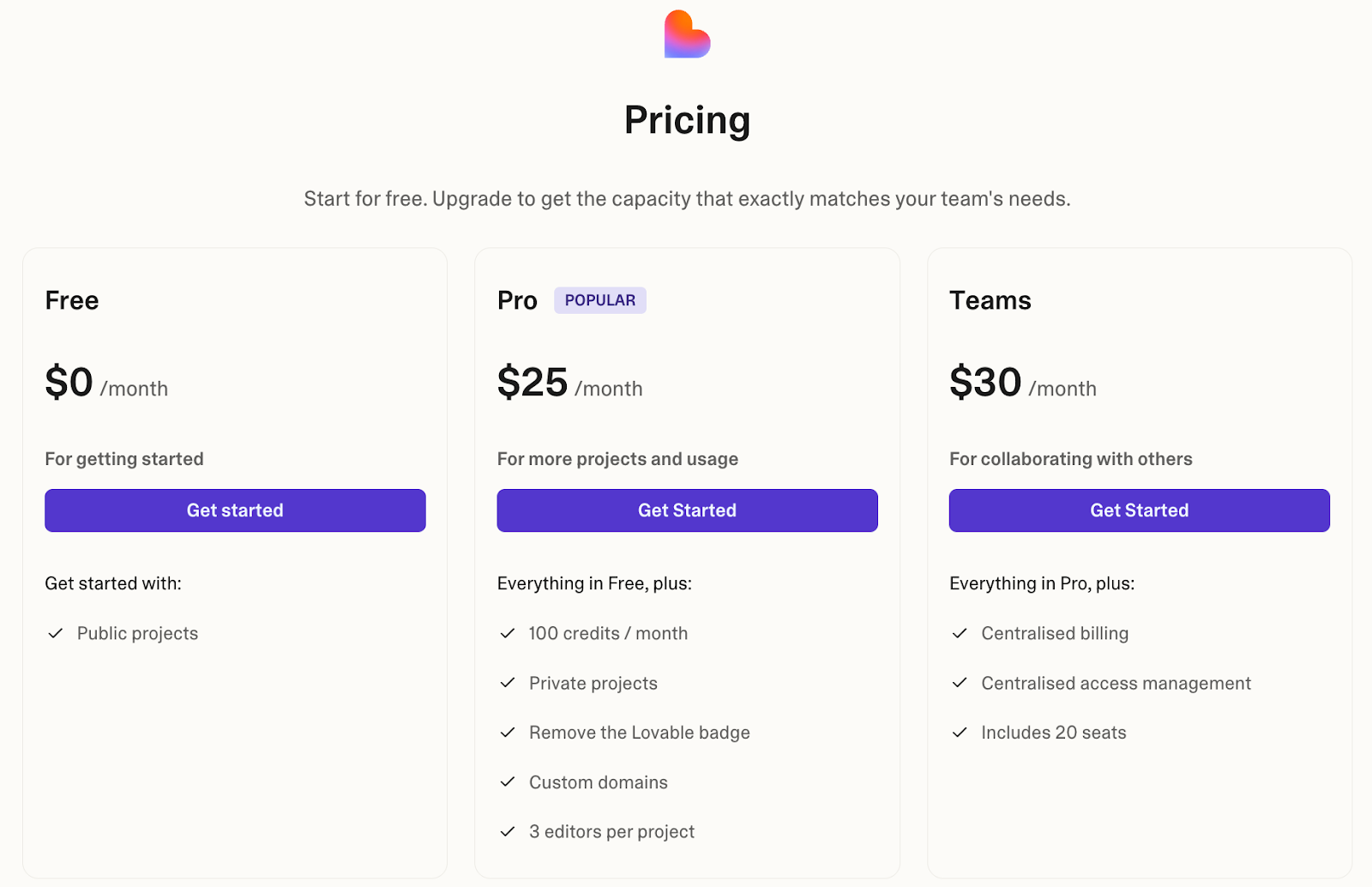
Lovable pricing - 2025 changes
Mar 31, 2025:
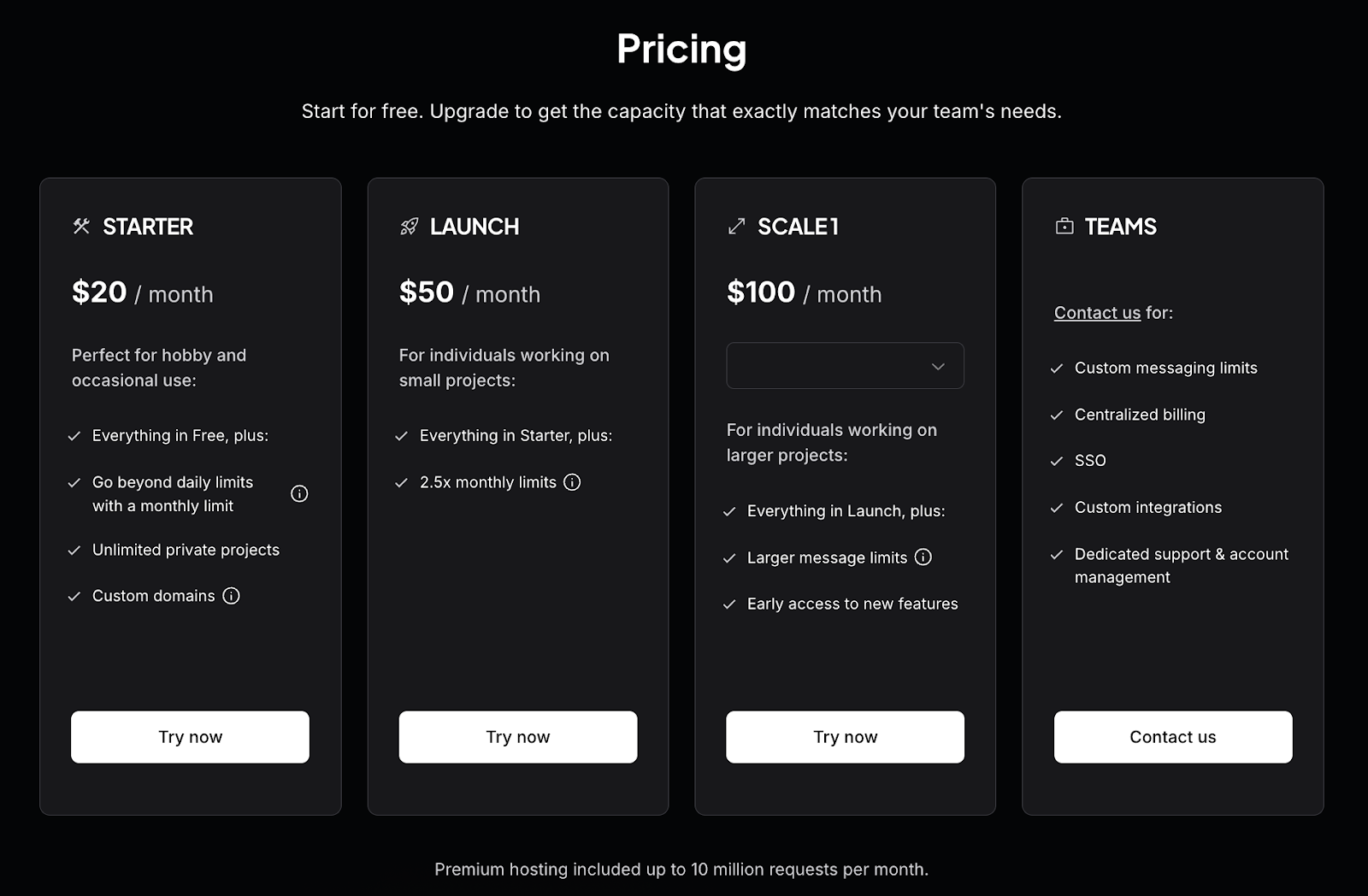
June 24, 2025:
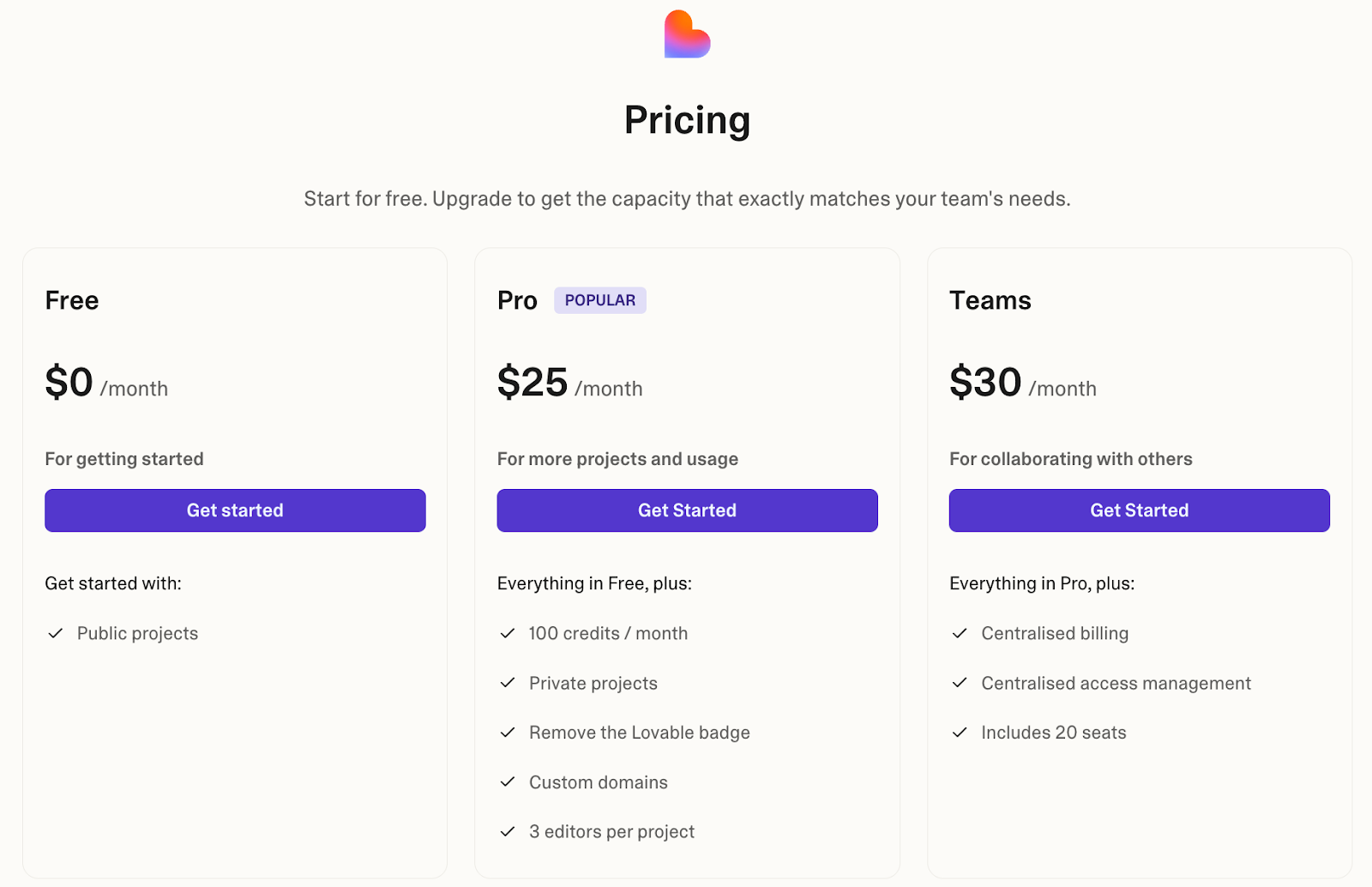
Aug 18, 2025:
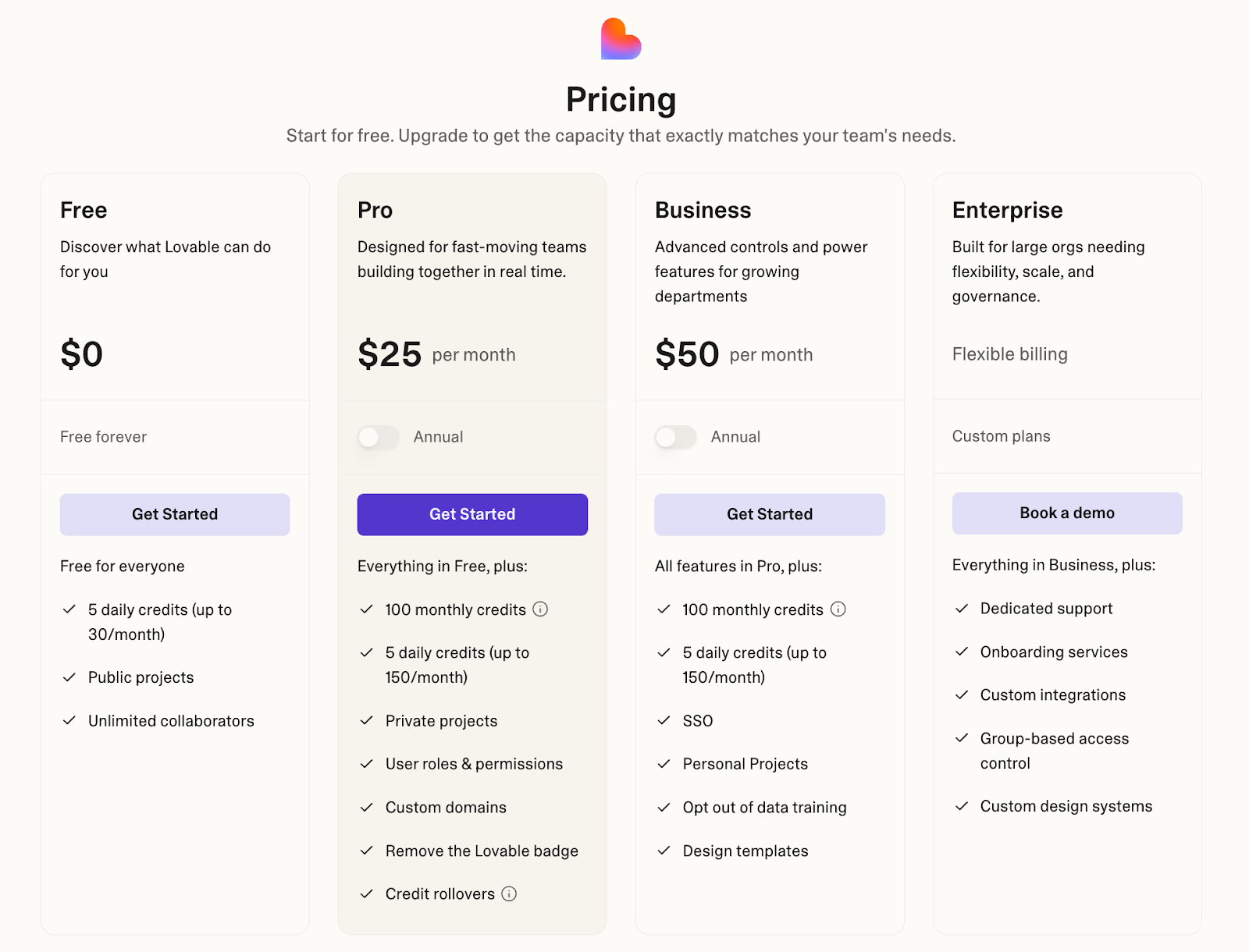
Modern SaaS companies take a different approach:
- They test small changes regularly instead of big overhauls.
- They measure pricing impact by cohort, not anecdotes.
- They give business teams the tools to make updates directly.
Limio lets pricing and RevOps teams publish new offers instantly across every channel, web, sales-assisted, or partner, without touching code. And everything stays aligned with popular CRM and billing systems.
Iterating on pricing should be a routine part of running the business, not a once-a-year fire drill. With the right tooling, it can be both fast and safe. Get in touch here.
Your subscription business, on autopilot.
See how Limio can transform your commerce capabilities.