From the Limio blog

How to build a business case for membership investment at your club
A practical guide for ticketing and commercial leads who know membership could earn more, and need the numbers to prove it.
Read article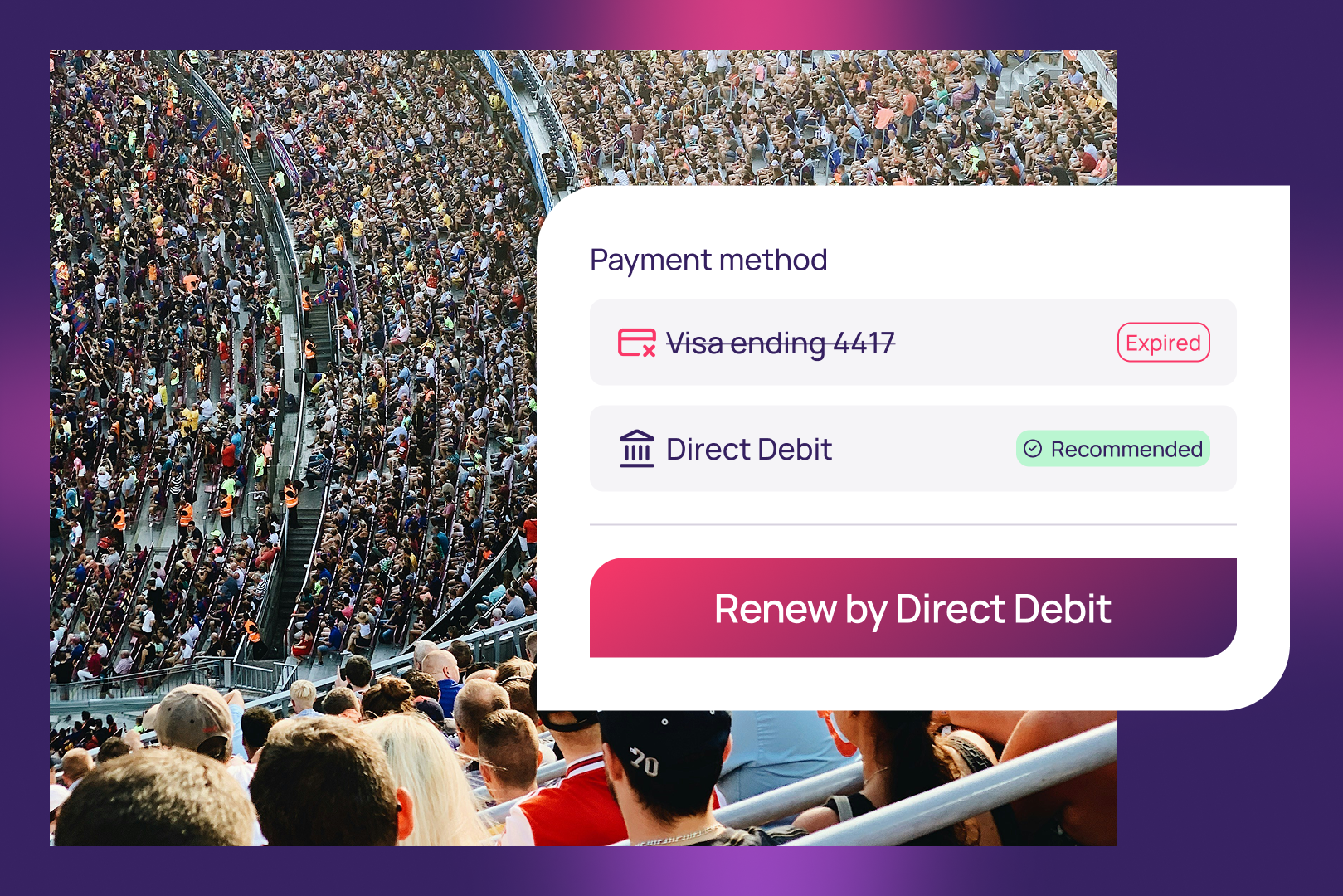
Card or Direct Debit? How football fans pay decides your renewal rate
Many lapsed fans meant to renew, but their card expired over the summer and the payment bounced. Here's why card renewals fail so often, and how to move fans to Direct Debit without asking everyone to re-sign.
Read article
Membership platforms vs ticketing systems: what's the difference, and do you need both?
Why ticketing and membership are different jobs, and how clubs can get the best of both.
Read article
10 reasons your sports club should launch a paid membership
A paid sports membership gives fans year-round benefits for a recurring fee, creating predictable revenue and a direct, owned relationship with your fanbase.
Read article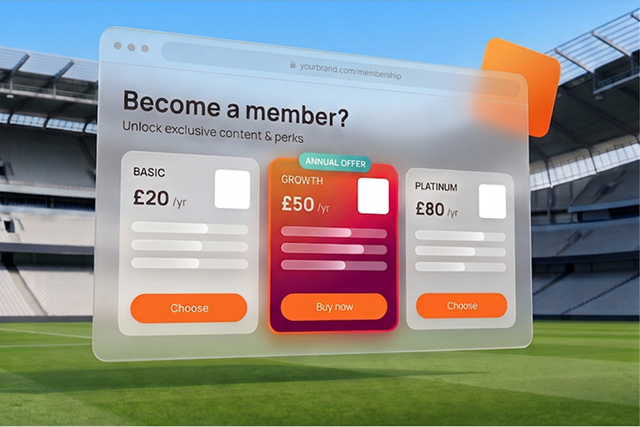
5 things the best sports clubs get right to grow memberships
Why the fastest-growing membership schemes run on a subscription platform, not a ticketing system, and the five things that follow.
Read article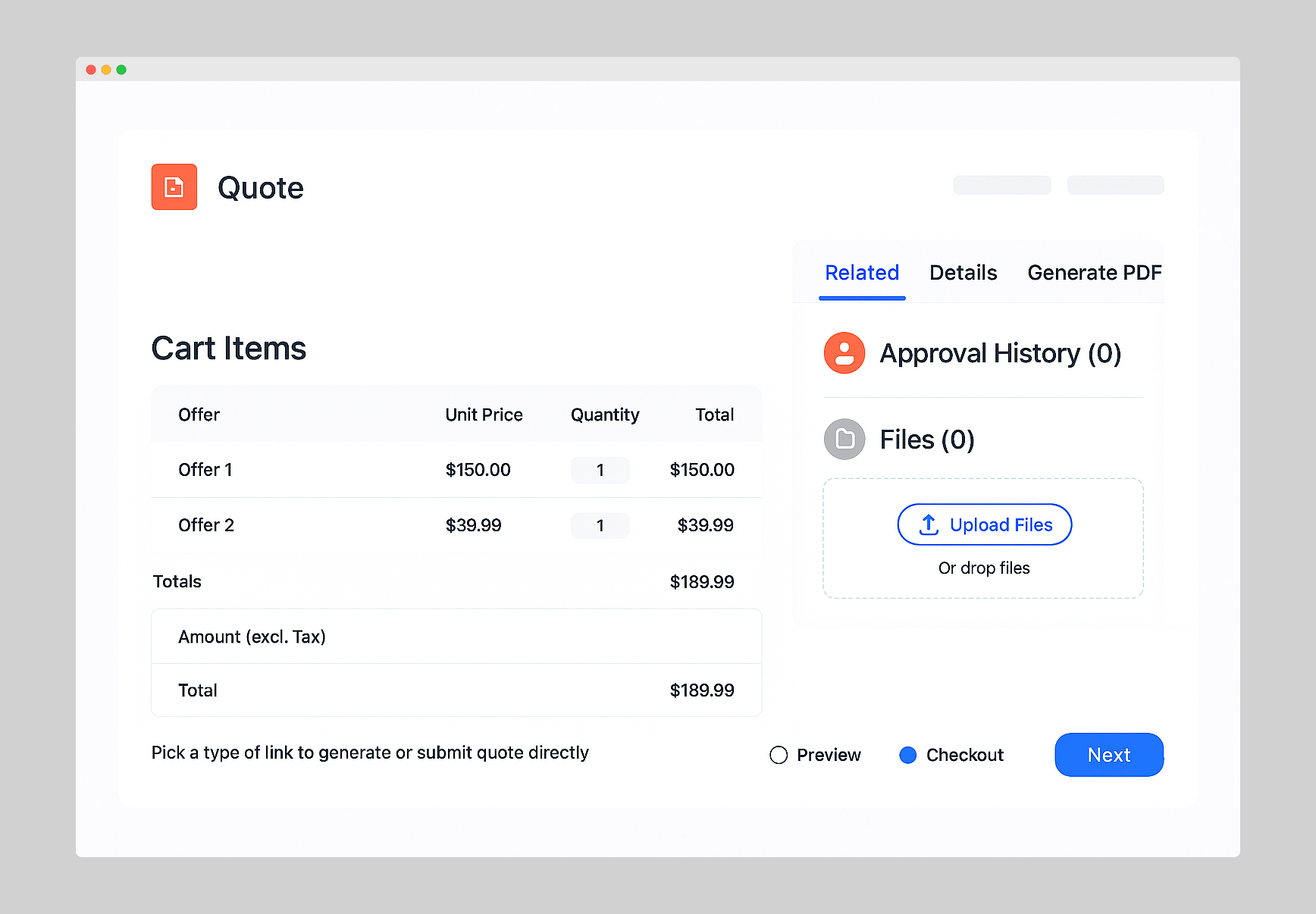
Stripe CPQ: How to Add a CPQ to Stripe Billing (2026)
Stripe does not offer a native CPQ. Stripe Quotes covers basic quoting from the Stripe Dashboard, and stops short of approval workflows, multi-year ramps, and CRM-native quoting. Teams that run sales-led deals on top of Stripe Billing add a CPQ in one of four ways. This guide compares all four.
Read article
Which platforms allow you to unify sales-assisted and product-led growth (PLG) motions?
Modern businesses need sales reps closing deals in Salesforce and customers buying on the website. We compare the platforms that unify both motions, starting with Limio: one catalog, one set of rules, one checkout, extended by AI selling agents.
Read articleYour first AI agent belongs after checkout, not before it
Most teams can't decide where to start with an AI agent. Here's the case for the post-checkout moment: the lowest-risk, highest-context place to put your first one.
Read article
Limio already works for agents. No extra work, no .md pages, no workarounds.
Every week another platform ships an 'agent mode', an llms.txt, or a shadow set of Markdown pages so AI can read their site. Limio never needed to. Here's why.
Read article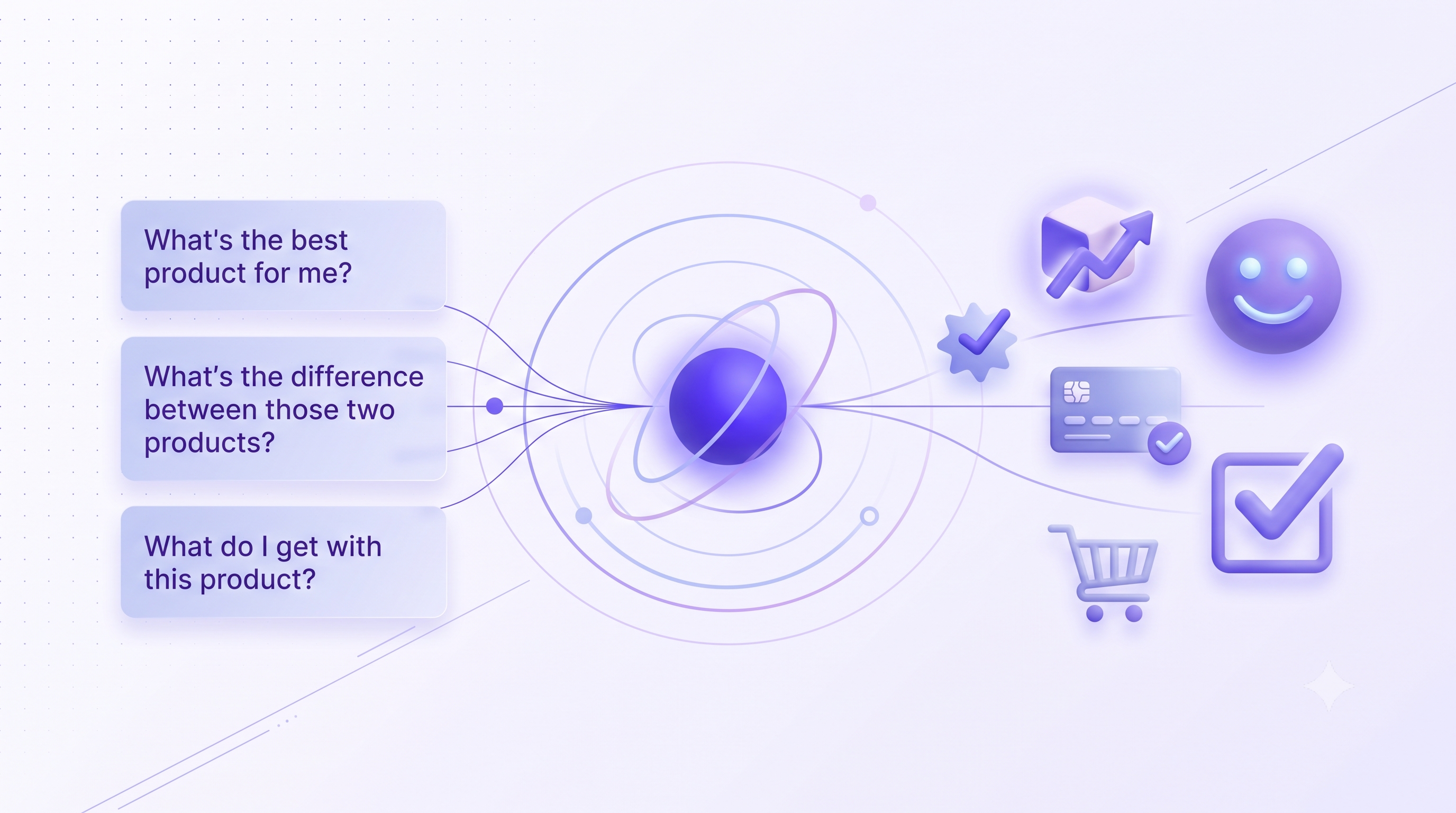
"Help Me Choose" is dead. Long live the agent.
Your "Help Me Choose" quiz frustrates buyers and tells you nothing. Here's why subscription businesses are replacing it with an AI agent that can actually hold a conversation.
Read article
Agentic commerce: what does it mean for consumer subscriptions and SaaS?
Limio's first webinar on agentic commerce: what actually changes for subscription and SaaS businesses — from AI discovery to checkout, renewals and B2B.
Read article
Why We Moved limio.com Off Webflow — Onto Limio Itself
Working with Limio + Claude became 10x easier than working with Webflow. So we moved limio.com onto Limio itself — 29 pages mirrored in a day, 23 PRs, and a blog Claude now publishes for us.
Read article