Limio launches partner portal for scalable, self-service partner selling
As B2B SaaS companies scale beyond direct sales, partners are becoming a core growth channel - but most partner deals are still slowed down by manual workflows and operational risk. Limio Partner Portal gives revenue teams a better way to enable partners to sell independently, while keeping full control over pricing, provisioning, and compliance.
As B2B SaaS companies expand beyond direct sales, partners are becoming a critical growth channel. Resellers, franchises, and referral partners now account for a growing share of new business across many organizations - especially those expanding globally, serving small businesses, or selling services-enabled products where having local presence is too expensive.
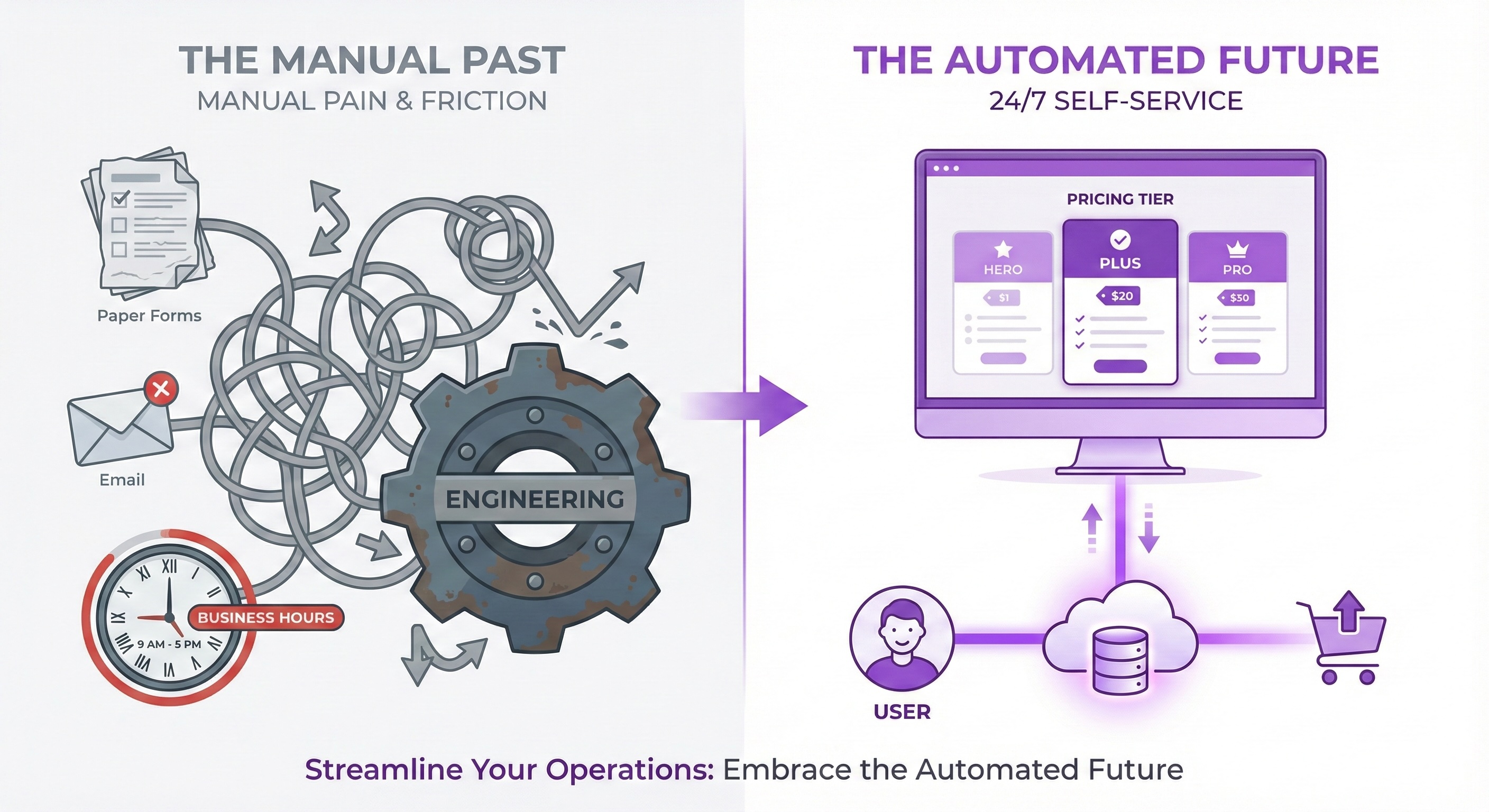
However, most partner motions still rely on manual workflows. Deals are handled over email threads and spreadsheets, pricing is negotiated offline, provisioning and billing require internal coordination. The result is slower partner deals, high operational risk, limited ability to scale, and pricing drift.
“Any change - even a promo code -requires a Jira ticket, prioritisation, a sprint.” — Jessica Shivetts, Sr. Manager, Revenue Operations
Today, Limio is introducing Limio Partner Portal, a new way for revenue teams to enable partners to sell faster on the Limio platform, while maintaining full control over pricing, provisioning, and compliance.
Partner selling without the operational drag
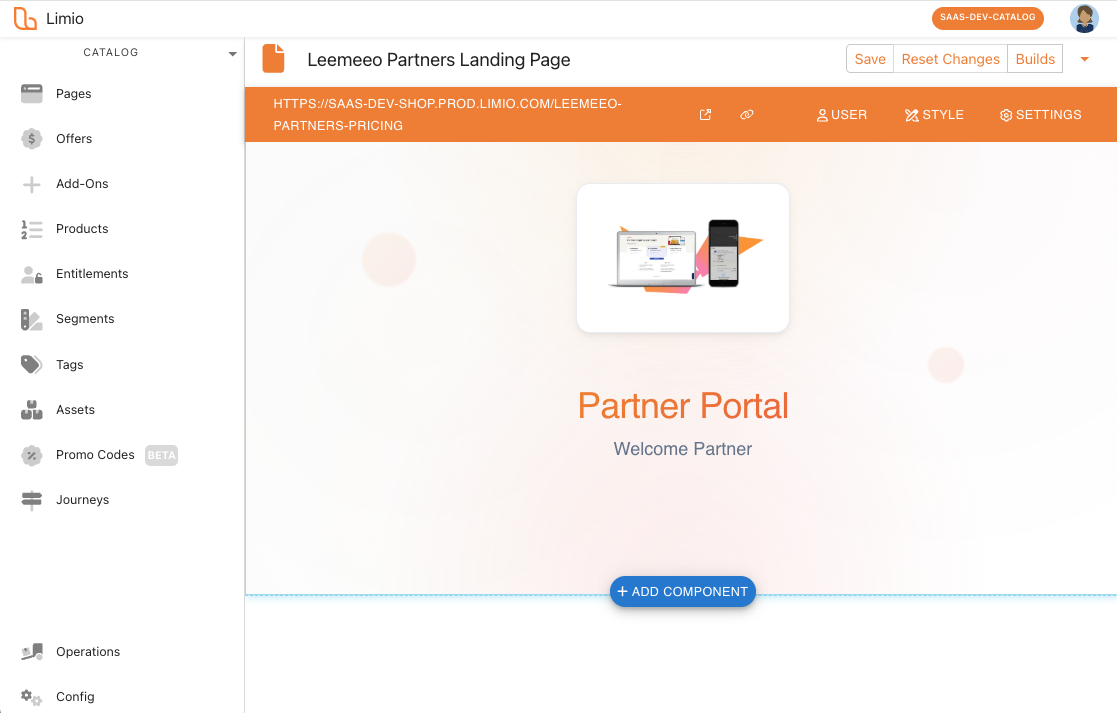
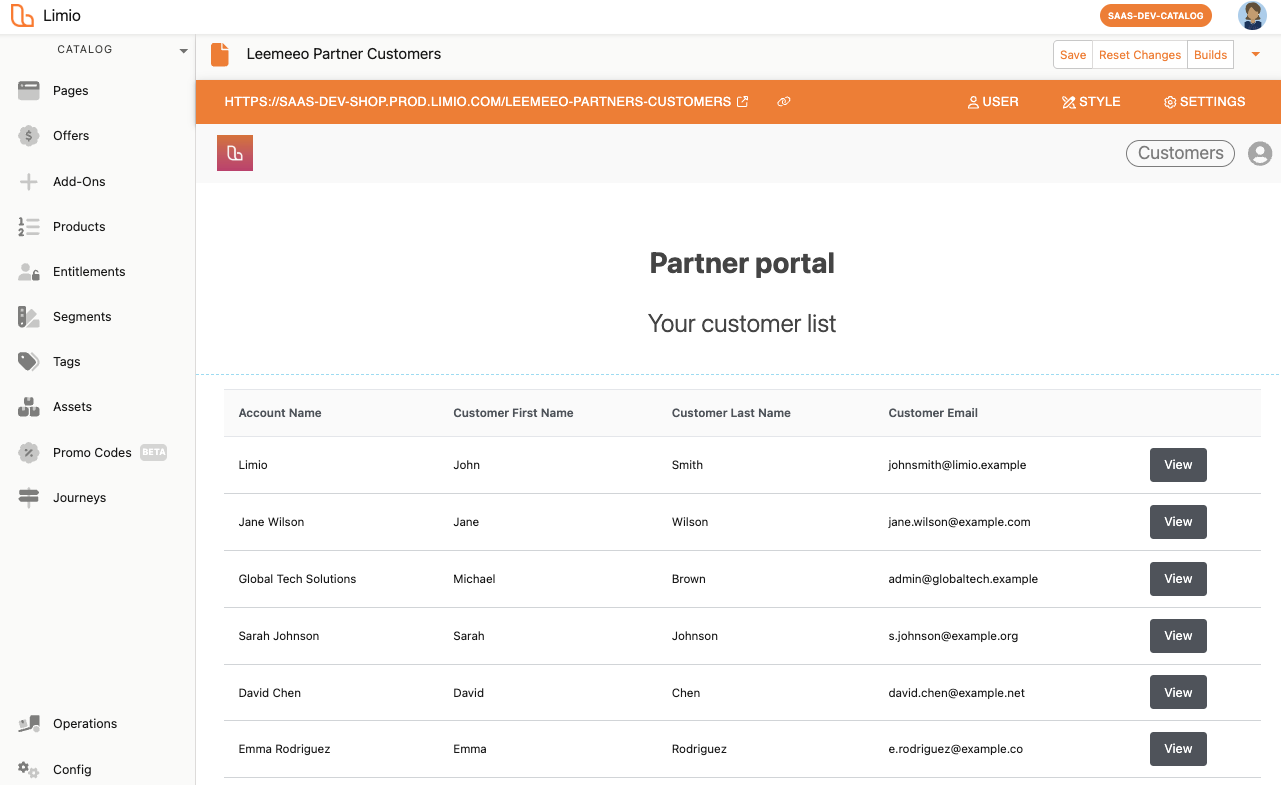
Partner Portal extends Limio’s commerce layer to partners, allowing them to self-provision subscriptions on behalf of customers through secure, authenticated pages.
Instead of routing every partner deal through internal sales or ops teams, partners can:
- Access partner-specific pricing and offers
- Provision subscriptions independently, 24/7
- Complete transactions without manual handoffs
For companies, Revenue teams and partners, this is a win-win-win. Partners can sell quickly, process bottlenecks are removed, while Revenue teams preserve governance and accuracy.
One commerce system across every channel
Historically, partner commerce has lived outside core sales and self-service flows. That fragmentation creates inconsistencies in pricing, billing, and reporting.
Limio Partner Portal uses the same product catalog, pricing logic, and provisioning workflows that power direct and sales-assisted channels. Whether a deal is initiated by a sales rep, completed online, or provisioned by a partner, it follows the same rules.
This unified approach ensures:
- Consistent pricing and packaging
- Accurate partner attribution
- Clean revenue data across channels
RevOps control, not engineering bottlenecks
In many organizations, even small partner pricing changes require engineering work. Custom application logic makes experimentation slow and creates long backlogs for revenue teams.
With Limio Partner Portal, RevOps teams can:
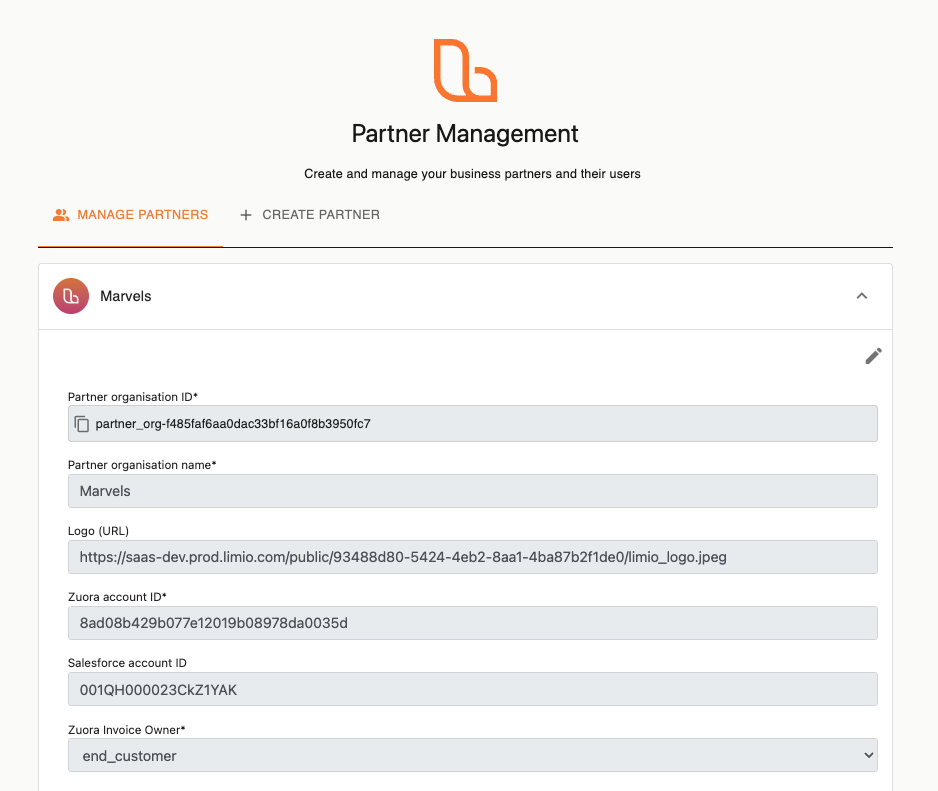
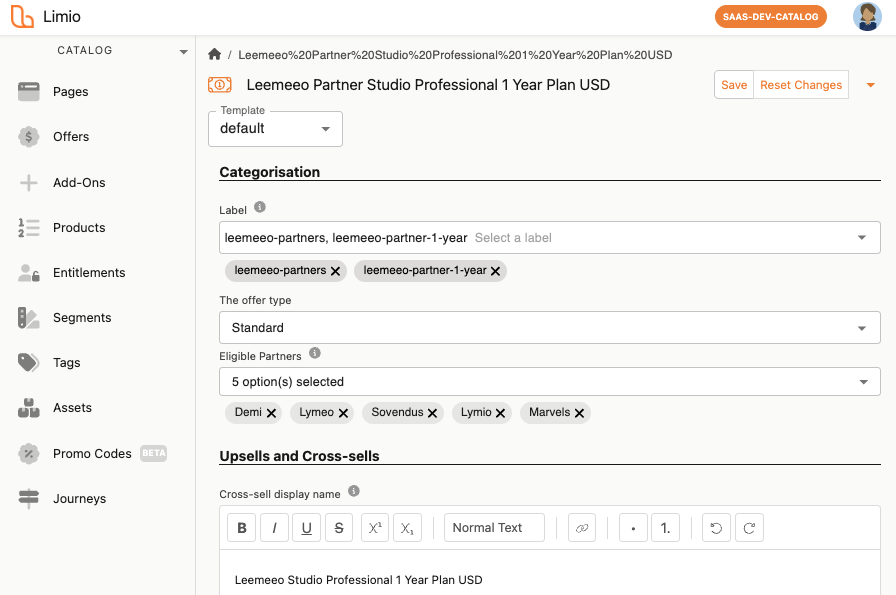
- Configure partner offers and pricing
- Define eligibility and discount rules
- Manage invoice ownership and billing logic
All without waiting on engineering sprints.
This shift puts commercial control where it belongs, with the teams responsible for revenue accuracy and growth.
Built for scale, compliance, and trust
For businesses operating in regulated or compliance-sensitive environments, partner selling introduces additional risk. Every account must meet eligibility requirements, and errors can damage downstream integrations or partner relationships.
Limio Partner Portal is designed to enforce guardrails by default, with authenticated partner access, and enforcement of partner tiers and rules to safely access your customers.
A foundation for partner-led growth
By decoupling partner selling from application code and manual workflows, Limio Partner Portal enables revenue teams to treat partners as a first-class channel, alongside direct sales and self-service. The result is faster partner deals, cleaner operations, and a scalable foundation for omnichannel growth.
Limio Partner Portal is already being used to power partner-led selling for high-volume, compliance-sensitive SaaS businesses. To see how a revenue operations team moved from engineering-led bottlenecks to RevOps-owned partner commerce, read the JazzHR case study.
“Limio gives us agility. I can make changes myself without tapping engineering.” — Jessica Shivetts
👉 See how JazzHR scaled partner selling with Limio
👉 Contact us to for a demo of Partner Portal on the Limio Platform
Your subscription business, on autopilot.
See how Limio can transform your commerce capabilities.